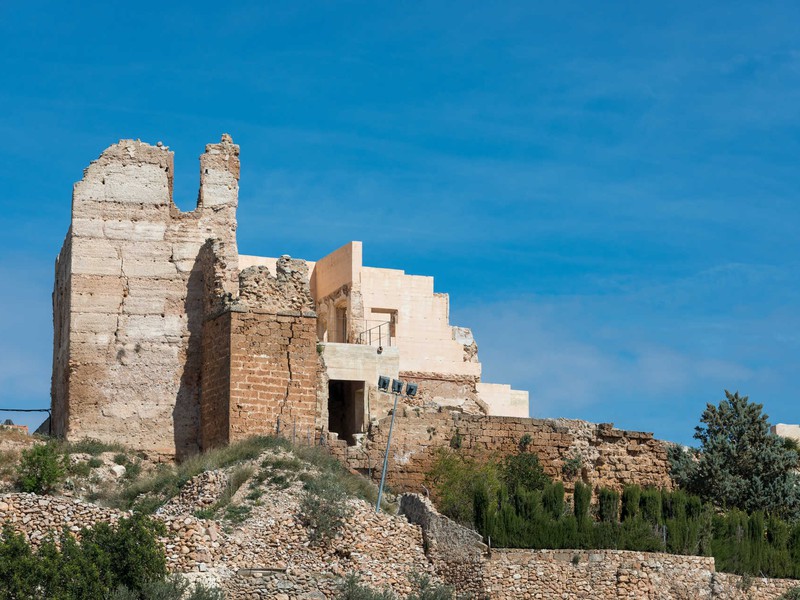
Castle-Palace of the Cabanyelles family (Bolbaite)
The Andalusí farmstead of Bolbaite had a castle-shelter made from rammed earth, with a quadrangular tower and an albacar (turret)

The Andalusí farmstead of Bolbaite had a castle-shelter made from rammed earth, with a quadrangular tower and an albacar (turret)
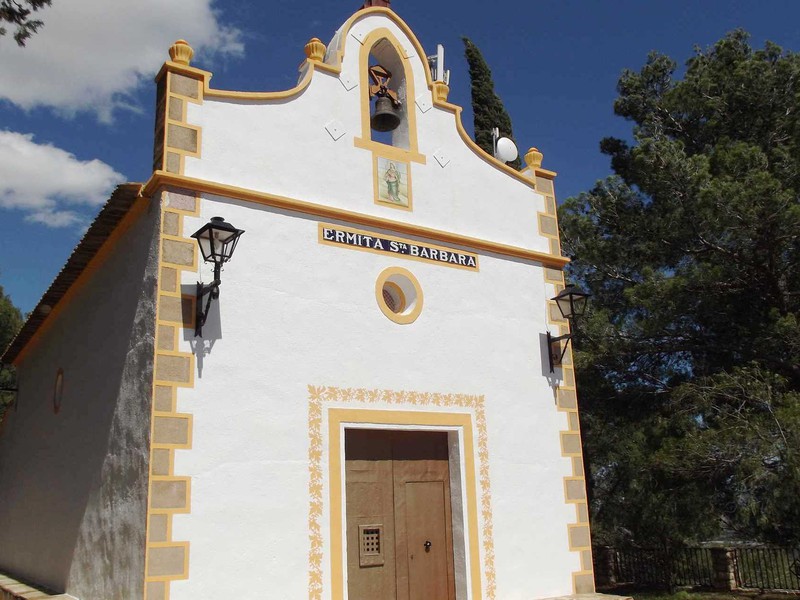
This small, free standing and whitewashed chapel, is located in a wooded and elevated location: Mount Bolantín or the Hill
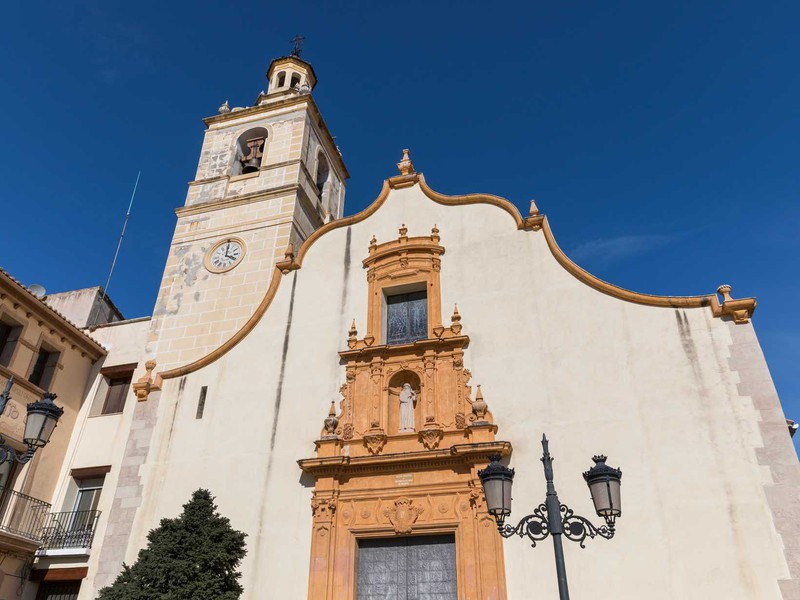
The mosque of Bolbaite was consecrated as a church in 1521, as a result of the Revolt of the Brotherhoods
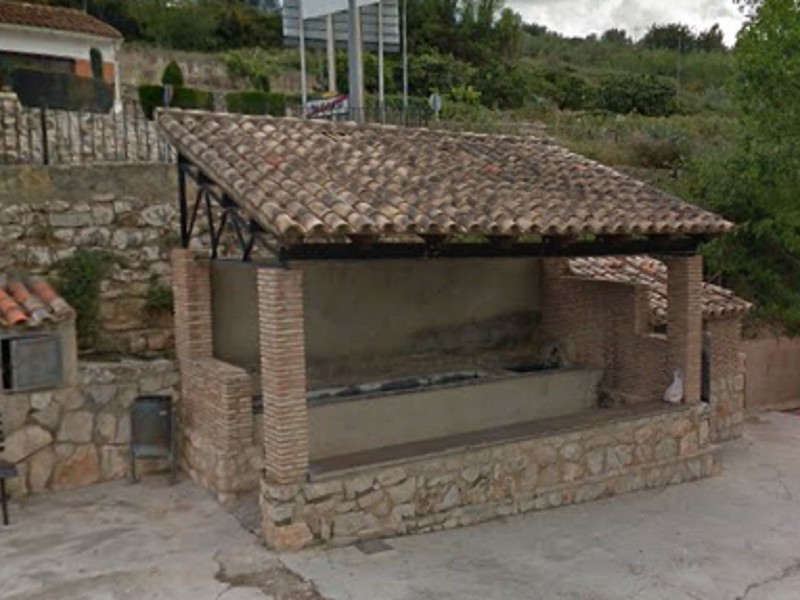
Formerly, we found the laundry at the entrance of the town. It was rebuilt in the place where it is
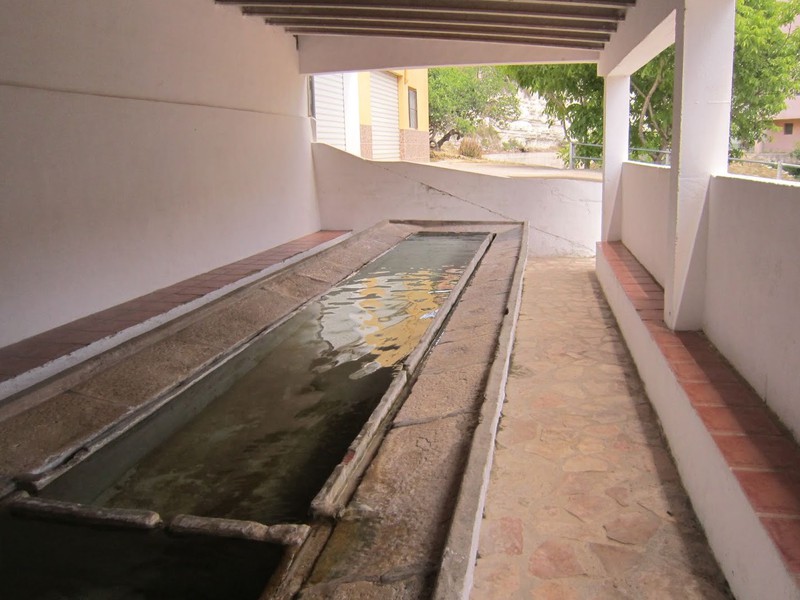
This washhouse was built alfresco and just covered by a roof and fed by a stream of water from the
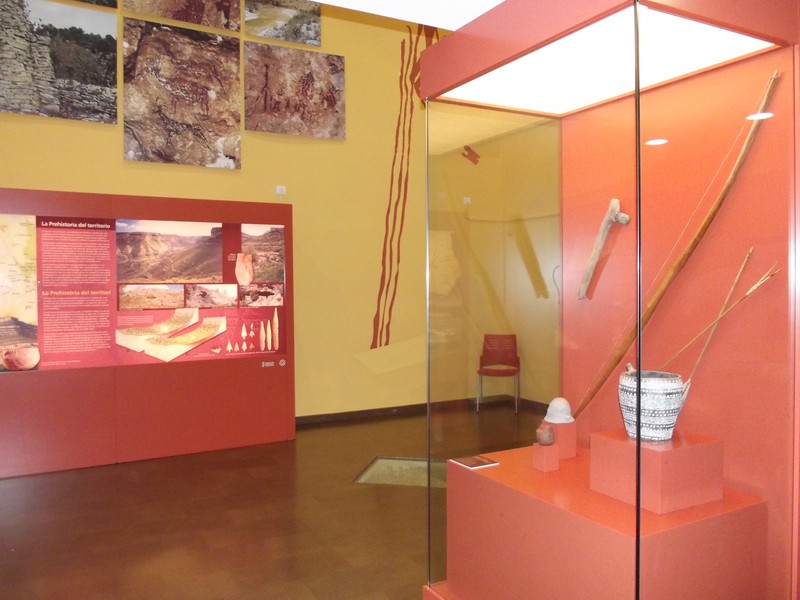
Heritage interpretation centre. Ethnological museum of the town where you can see ancient utensils, photographs of dinosaur ichnites sites, the
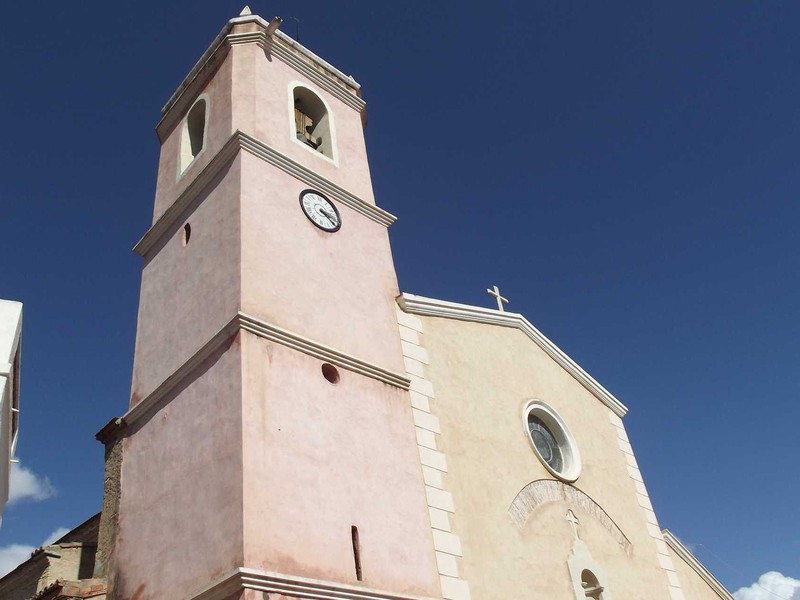
Medieval Bicorp had a mosque which was consecrated in 1525, when Muslims were forced to become new Christians or Muslim
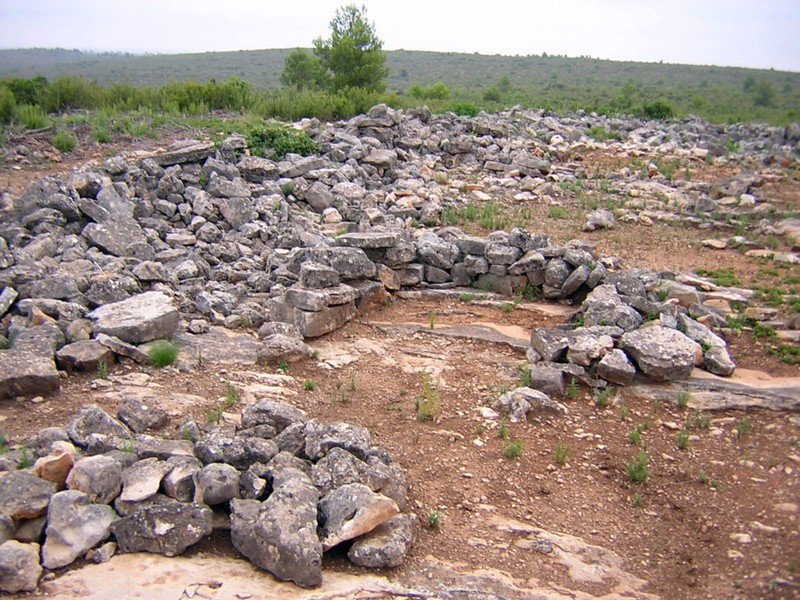
It is a fortification built at the beginning of S.XXVII, as a bulwark and refuge for the troops that fought
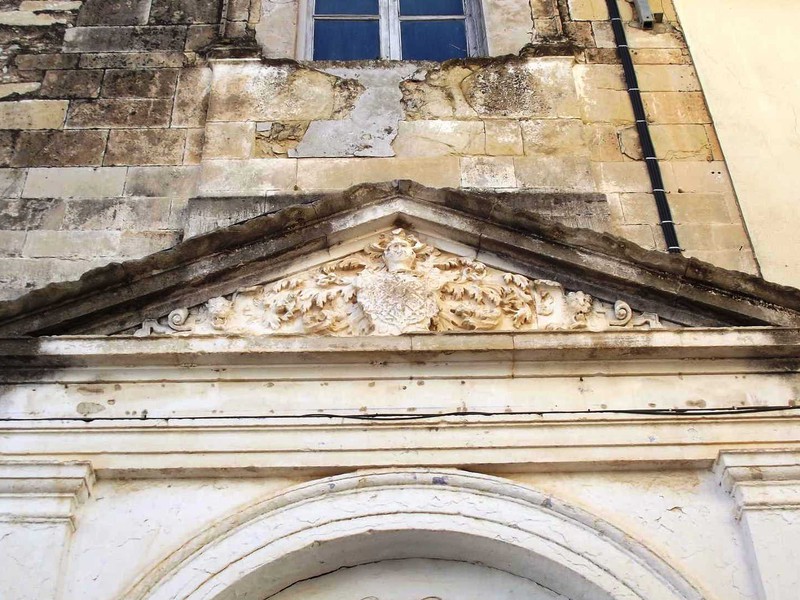
On the old castle the new construction was built that served as a base for the palace of the lords
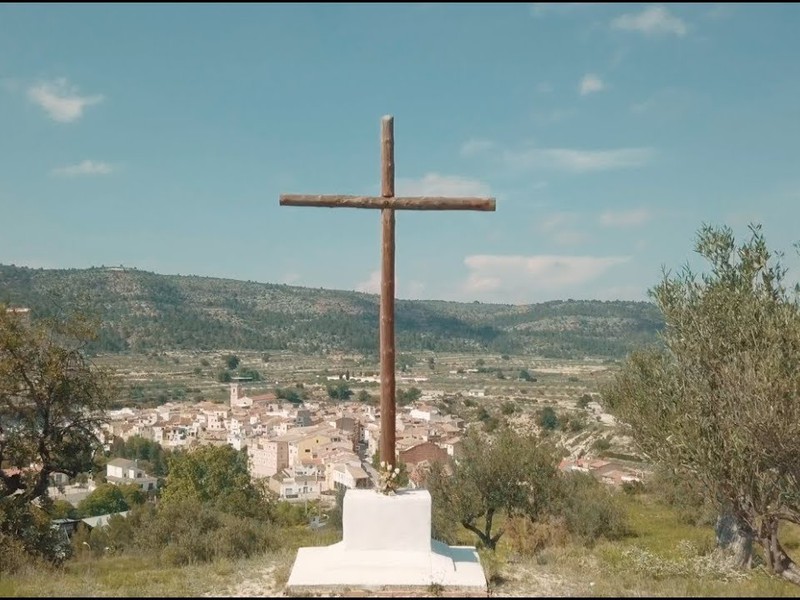
Monument of La Santa Cruz where the scrolls are blessed during the festivities of the month of May.
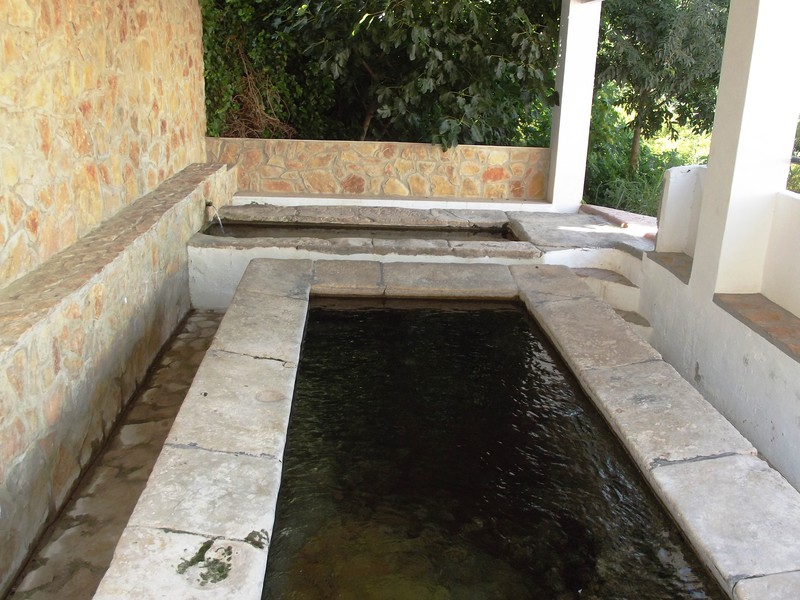
This wash house was built on a spring in the mid-19th century. It is located on the outskirts of the
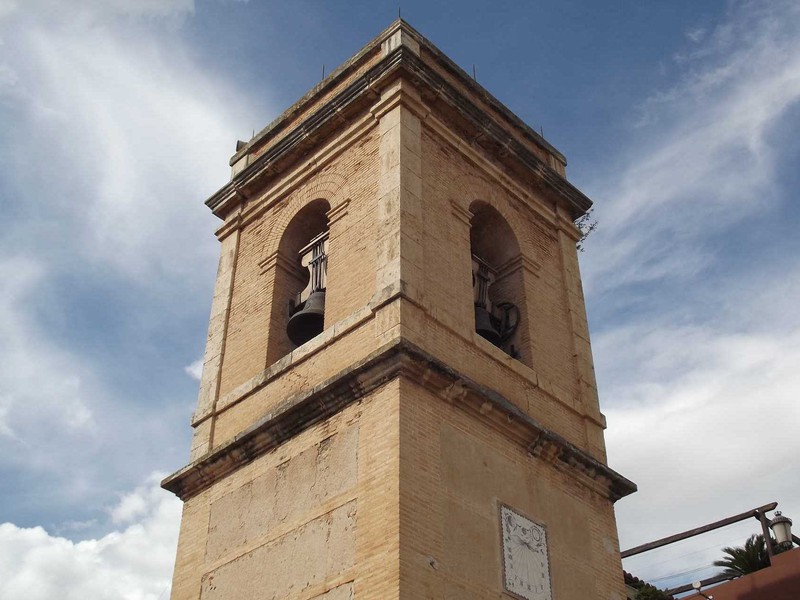
The patron saint of the parish church of Estubeny is the anchorite Onuphrius. In 1535, a Morisco rectory was first
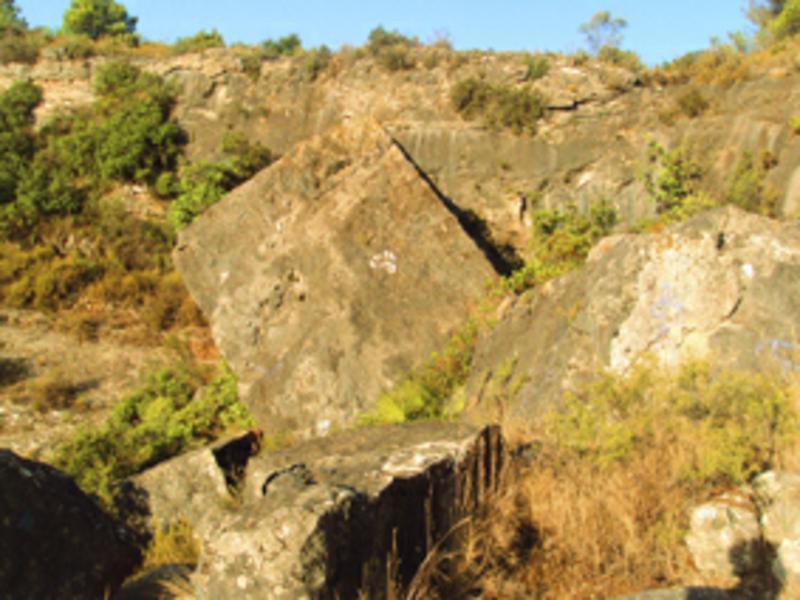
Stone of great size and in a peculiar way, which tells the story that Samson made a bet, which was
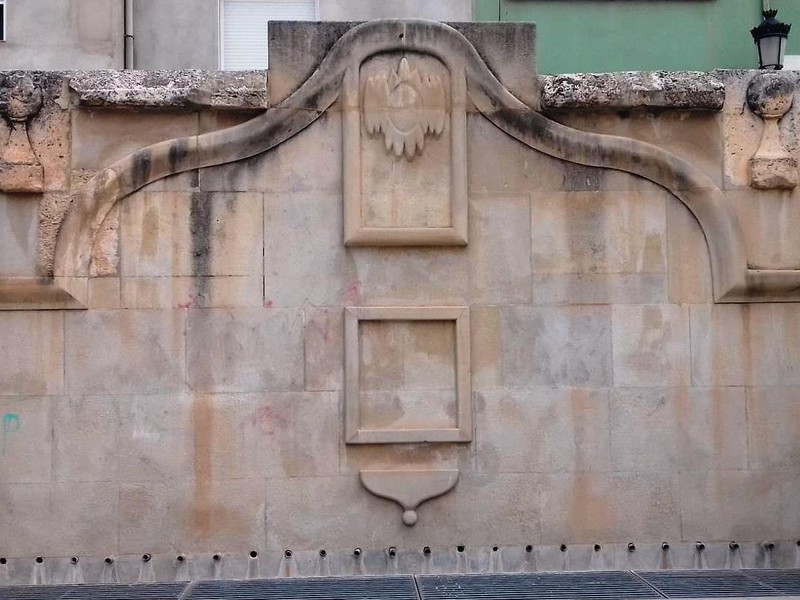
Also called “font of the 24 waterjets”, probably ordered to be built by the third marquise of Navarrés and fifth
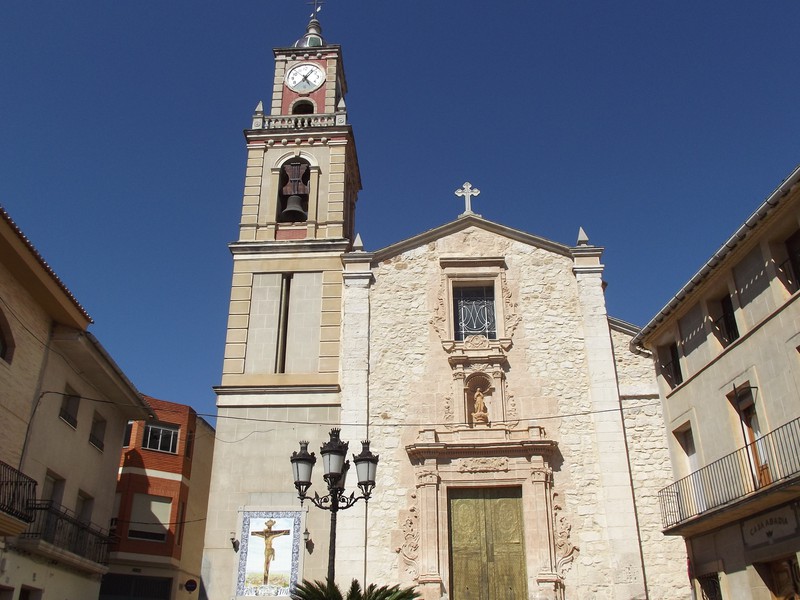
The 18th-century parish church of the Assumption of Our Lady of Navarrés sits on the side of the mountain in
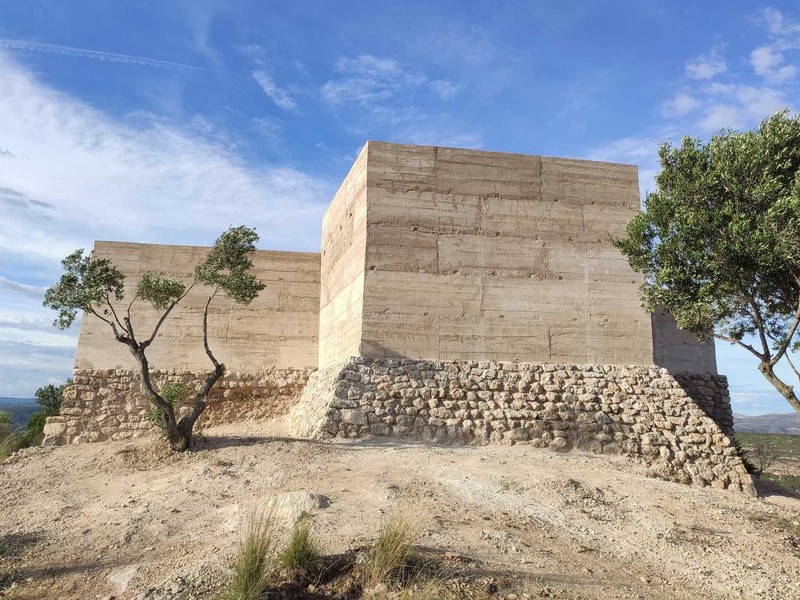
The Moorish colonisation of La Canal de Navarrés during the 8th to 10th centuries by Berber clans led to the
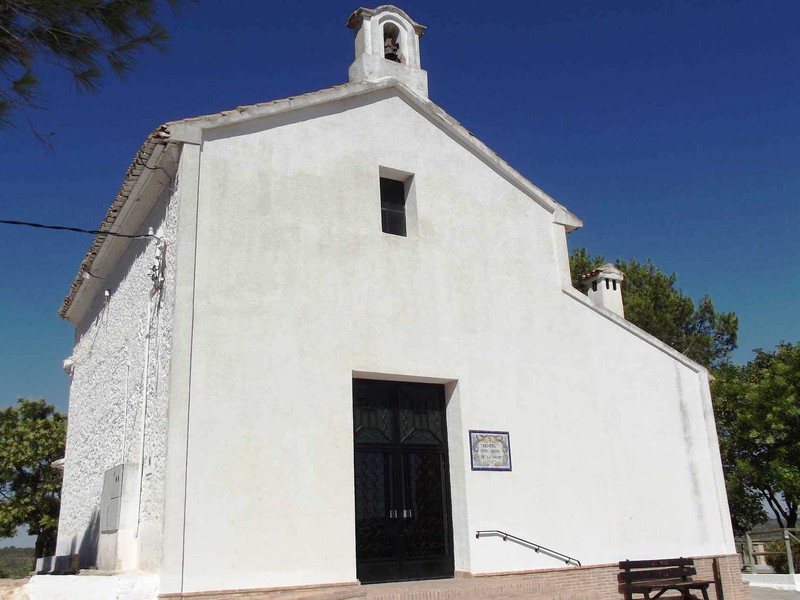
Dating from the eighteenth century it was commissioned by Doña Paula Calatayud, wife of Don Baltasar Pérez, both fervent believers.
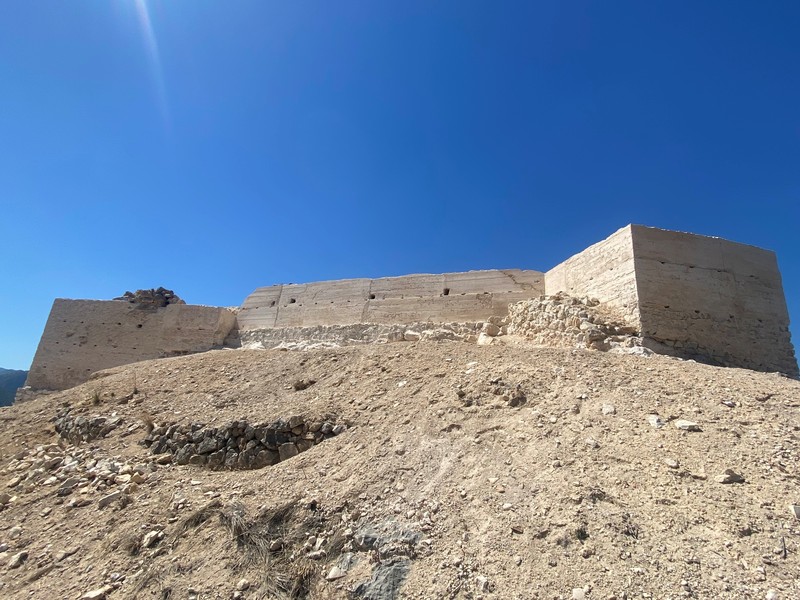
Located to the east of the hermitage of the Cross, the castle of Quesa, 11th century, sits on a rocky
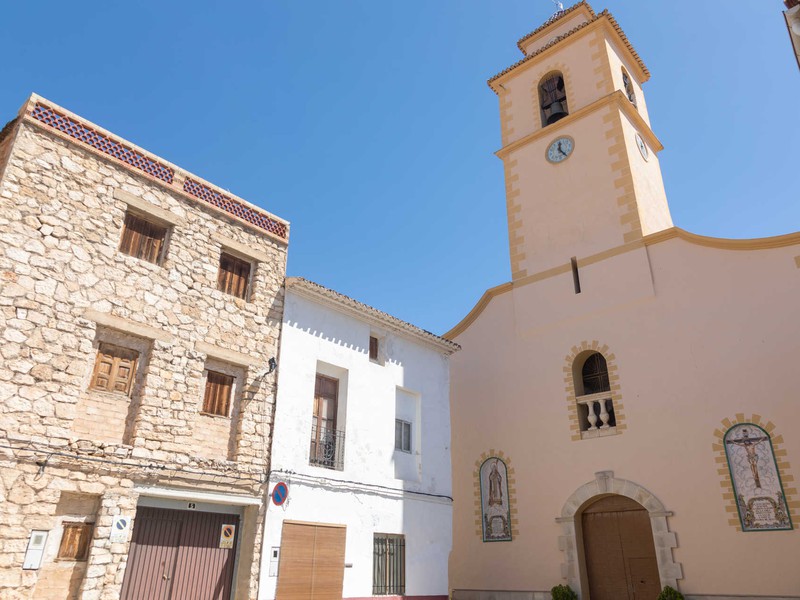
The parish church of St. Anthony the Abbot is a classicist baroque style building, typical of the mid-18th century. It
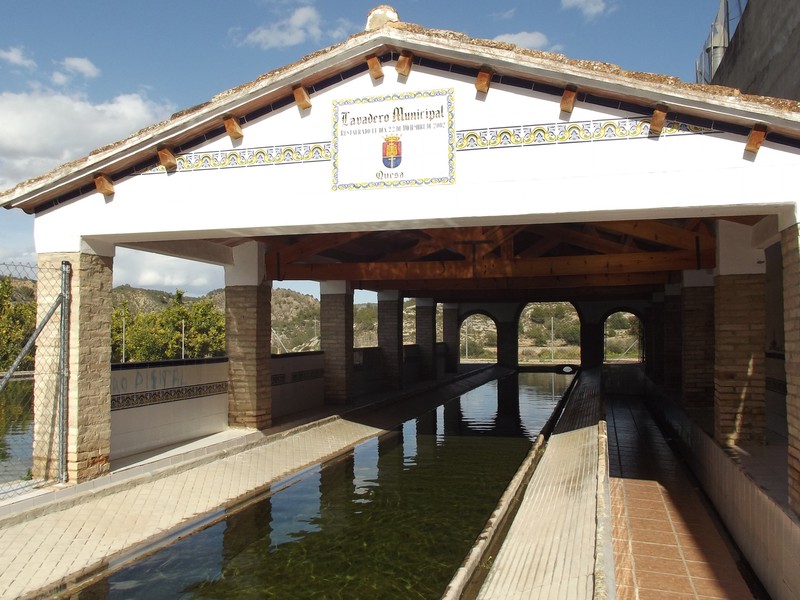
The Moorish origins of Quesa are linked to the existence of a water source, the Fuente de la Mina spring,